2022-23 School Year – Completed (with M) and Reviewed
This is the first time through for me. M is in Year 4 while Em is in Year 1.
The following subjects are discussed below:
- Bible
- History
- Geography
- Plutarch
- Natural History / Science
- Nature Study
- Literature and Poetry (including recitation)
- Grammar
- Reading
- Math
- Writing: Copywork, Cursive, Typing, Dictation, & Written Narration
- Foreign Language: Spanish and Latin
- Art (Picture Study)
- Drawing and Handicrafts
- Music
- Physical Activity
Bible
Bible is included in our Together Time. I wrote about this year’s Bible readings in Year 1.
History
History
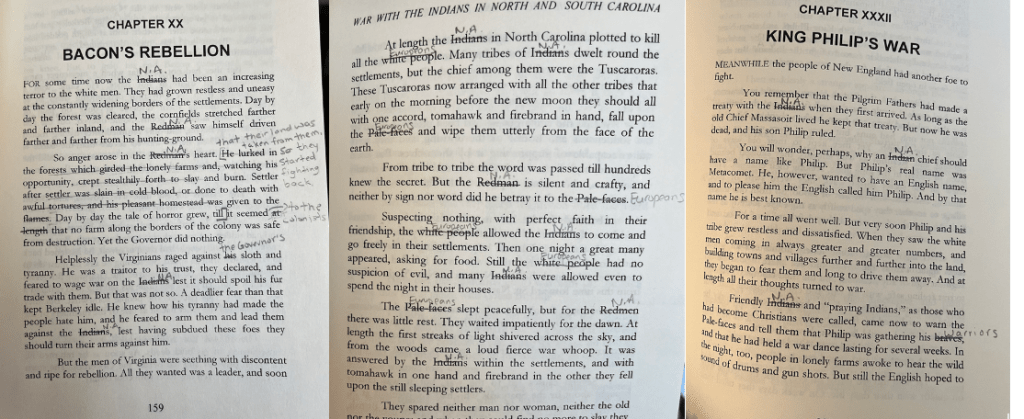
We are on our third year with both A Child’s History of the World and This Country of Ours (TCOO). Though there is only one reading from the former. I have learned so much from TCOO and am glad it is assigned. However, I am looking forward to the updated editions being edited by AO Advisory Member Donna-Jean Breckenridge in which she used accurate tribal names and removes derogatory language. It will cut down on my pre-reading time since now I mark up my copy. This year is the first year M has started reading some of the texts on his own, but this one I still read to him because of my edits. His narrations from TCOO can be spotty, and I’m sure they would be worse if he was reading them himself. Some stories really catch his attention and he can narrate them well. For others he completely misses the point and just remembers that “a man went on a ship and there was fighting.” I try to make up for these with my re-cap before the next reading. I write my own narrations at the end of the chapters to help me with my re-caps. I also try to have maps or relevant pictures to show him.
We are enjoying Answering the Cry. We have been able to do a lot of map work along with these stories.
Biography
For Poor Richard I happened to have two copies, so I read as M followed along. I did all my pre-reading for this the year before and wrote up my narrations and made notes about maps to show him for each reading. My notes are available on the Other Guides page. The readings were long, so I think for Em I’ll split them up into multiple days. M’s narrations were good for the beginning of the book, but when the political intrigues started, he had a hard time following along.
We have started the Abigail Adams biography and I took a lesson from Poor Richard and decided to split up the readings. So I set a timer and read for 5 minutes a day. We sometimes finish before the end of the week, but we always do finish the week’s reading. I did not get a chance to pre-read this one, but it hasn’t been an issue so far. If we have time, I point out on the map the places that are mentioned. Narrations are going well and I think it is due to the much shorter readings.
George Washington’s World is a hit with both of us. I have scheduled one chapter a day instead of following strictly to the assigned page numbers on the AO schedule. I know we won’t finish the book, but it is working for us. I also did not get a chance to pre-read this book so I am reading it to M. I will probably assign this to Em to read independently when he gets to it. We do pull out the globe before and after the story and I always mention this was happening when George Washington was a boy (or a soldier, etc.) and try to mention some of the other people we’ve read about to keep the point of the book in mind.
I was able to do all the pre-reading for The Ocean of Truth. I decided it would be a good book to have M start with for reading history texts on his own. I put 10 minutes of reading per day on his schedule but he usually finishes it by Tuesday. His narrations are good and he seems to be enjoying it. I wrote up my narrations so that I could follow along with M’s narrations. My notes for this are on the Other Guides page.
As I decided half-way in to Year 1, we are waiting on reading Trail and Triumph. I plan on including it in Together Time or Sunday Vespers when both M and Em are older.
Timeline
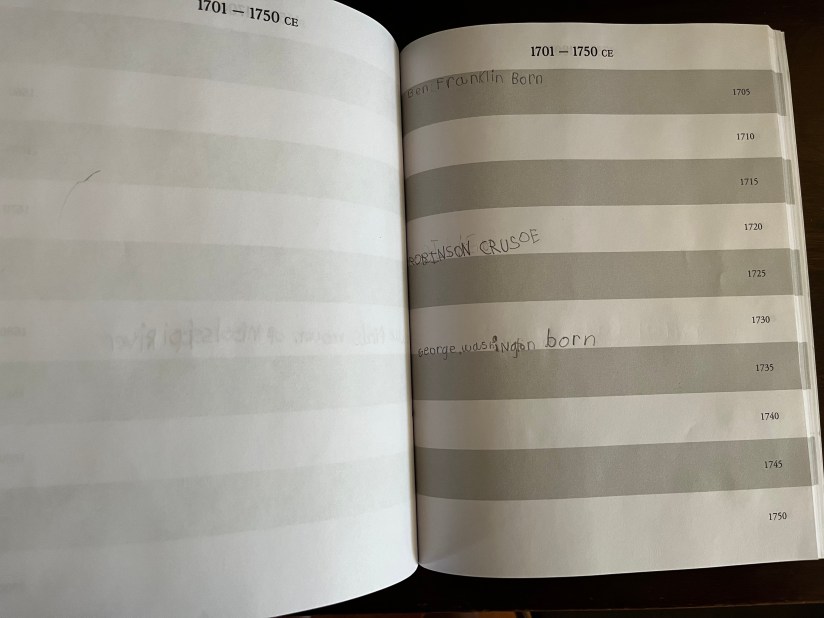
We are using a Book of Centuries from Living Book Press. It has the left-hand page blank for drawings and the right-hand page split up by decade. I bought a copy for myself so we can all have our own. Since this is the first year he’s doing a Book of Centuries, I have put it on his schedule twice a week with a suggested item to add. I suggest items from that week’s readings, but ask him if he want to add anything else. He never does ;). We haven’t taken advantage of the blank pages yet. And he’s still trying to understand the B.C.E. idea, but overall I think he gets it. We haven’t had added enough into the books to really see connections yet, but I’m sure that will come.
History: In Review
TCOO: I have continued to enjoy these readings as I am learning so much. I have started to be more disciplined in my pre-readings so that I do not have so much work to do next time around. In addition to making notes in the text and writing my narrations at the end of the readings, I have made maps to reference when it makes sense. See my TCOO page for the ones I’ve posted so far.
Poor Richard: As I said above, I will split these readings up into multiple days for Em.
Abigail Adams: I started out doing 5 minutes readings per day for one chapter per week. When we finished the chapter earlier in the week, we didn’t read for the rest of the week. This worked up until about chapter 15 when the chapters got longer and we could not finish with 5 minutes per day in one week. As a result, we did not finish this book – we made to halfway through chapter 21. With Em I will read 7 or 8 minutes per day (for a total of 10 minutes including review and narration) and read every day, even if that means moving on to the next chapter earlier. I think this little change should get us through since we were so close this time. I have enjoyed learning about Abigail Adams, but this has not been a favorite read. There are so many quotes from letters and references to so many people that it feels more of a research text than a fifth grade level book. M is mostly following along with the big picture but some days he doesn’t have much to narrate beyond “they were separated again” :).
George Washington’s World: We made it further into this book than I thought we would with only reading one story (or occasionaly two really short stories) per day. I did skip some stories that had a lot of repeat from Benjamin Franklin, Abigail Adams and TCOO just so we could get further towards the end. And then in the last weeks I chose stories I thought most important to get to – finishing out the French Revolution and becoming aware of Napoleon. I think for Em I will start this book in Term 1 so we can keep the same pace but get all the way through it.
The Ocean of Truth: M did this book completely independently. He was enjoying it and his narrations were so well done that I used this to start in on regular written narrations.
Geography
Minn of the Mississippi is scheduled every other week, which I think is making it hard to keep the interest. The book also has a lot of history in it so it jumps back and forth between present time and past times, which has been confusing for M to follow. His narrations center around Minn herself and he doesn’t often mention the other parts. I have written up my pre-read narrations and notes for maps to help me with our re-caps. I am using the map from Beautiful Feet Books and the map guides from Little School House in the Suburbs.
I have a hard time with Lang’s and Mason’s geography books. A lot of the information assigned this year is basic and below even M’s level. One day a week I (try) to schedule in a geography journal for Together Time in which we all learn about a different geography term and then draw it in our journals. I am using the Geography from A to Z book. I’ve created a schedule of topics to cover instead of going alphabetically (the schedule is available in Other Guides). I’d rather cover types of bodies of water all together than jump from Atoll to Badlands. Since much of the assigned geography from Lang and Mason ties in with these topics, I just casually discuss it as we are drawing in our journals.
For map drills I have purchased the Map Questions for North America from A Delectable Education. So far we have only done several lessons. I schedule them once a week, but it has unfortunately been the first thing to drop when our days get long. I like the way the questions are set up and think it’s important for M to be able to read a map and remember where things are in the world. I just need to make it a priority.
There are two books suggested for Year 4 that are not assigned, but are recommended to be placed where the children can browse through them. I have purchased them, but do not have a place that makes sense to leave them out (they are large books). And since they are not in the schedule, I forget about them. Note to self: get these books out and browse through them!
The biggest challenge so far with using a charter school has come this year. I am required to teach California History to M in 4th grade. That is the only social studies of any kind required for the entire year, so nothing else we are doing can even be stretched to fill the requirement. So, I have set aside time in Together Time to work our way through California History. The first month or so I spent on the physical geography of California. Then we moved into the peopled history. I have chosen a book as a sort of spine and have supplemented that with videos, maps, and living books from the Beautiful Feet Books pack on California History. I have scheduled it as follows:
- One day a week we read a living books in Together Time one or two chapters a week (we’ll get through three over the year).
- We read from the spine book, Voices from Colonial America: California 1542-1850 by Robin Doak once a week and watch a video on the topic if available.
- Any locations we’ve read about during the week we locate on a map and possibly draw a map of California with the locations (while reviewing the geographical features we covered in the first part of the year).
- Bedtime stories with Daddy are taken from the living book selection.
My California history schedule will be available on the Other Guides page.
Geography: In Review
Minn: Even though I did the pre-reading for this, I didn’t realize until I was reading it aloud to M that it is really a difficult book to follow. There are so many references to historical events or places or peoples that if you don’t know them, the references are meaningless. It took a lot of stopping and explaining what was happening to get through these readings. I think it is valuable to use a living book to learn the geography of the Mississippi, but I think I will look around for an alternate book for Em.
Geography Topics: Because we had to fit in a California History study this year for our charter school, the geography topics journal was often cut from the week. Which is fine – we’ll just pick up where we left off next year.
Map Drills: I cut these out of the schedule. I decided that we did so much map work with the history readings, Minn, and our California History study that M would be ok without them. I made sure to ask questions in the same style as map drills when we were looking at the maps. I do think this is still valuable and will try to put it back in for next year.
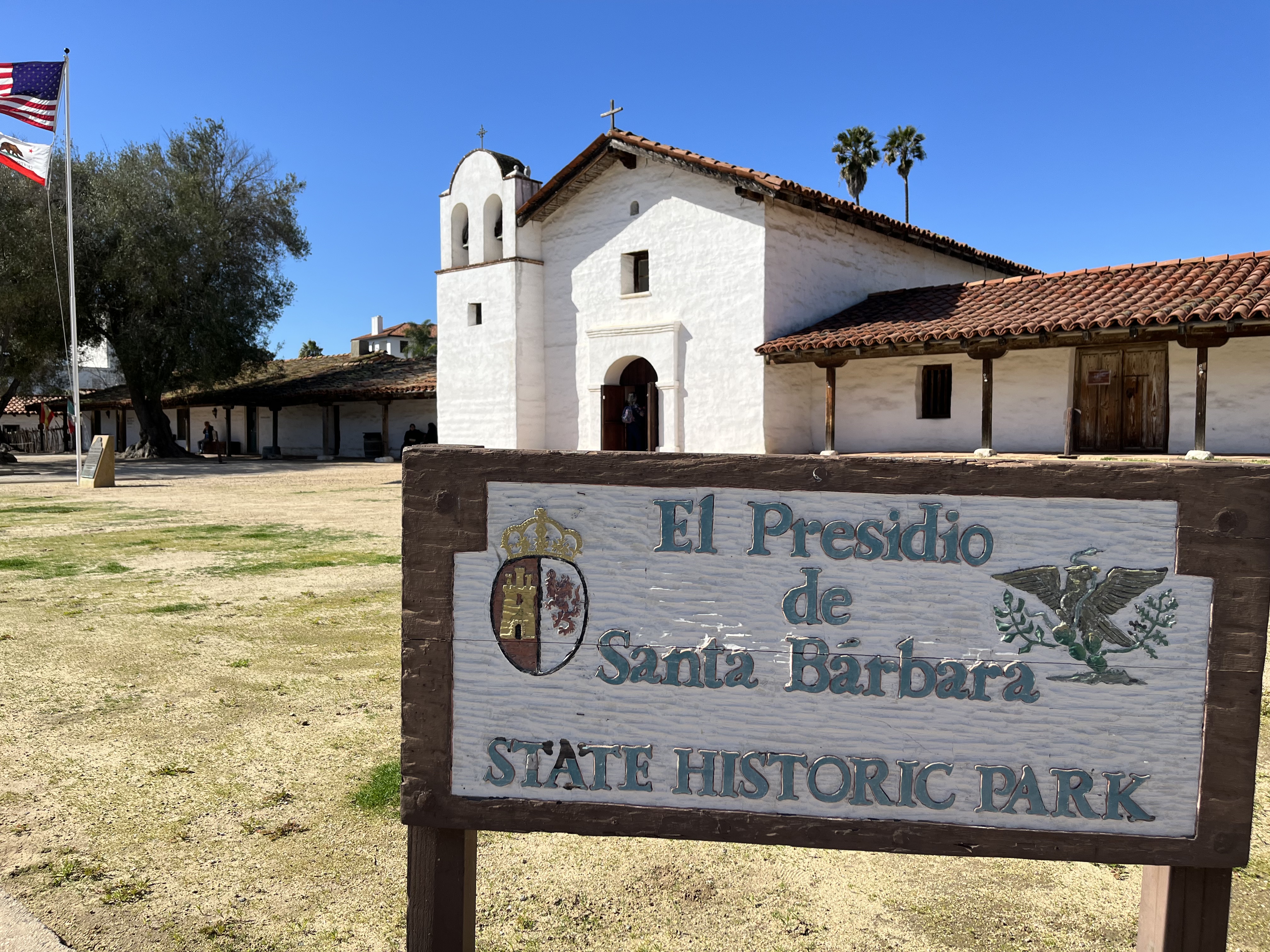
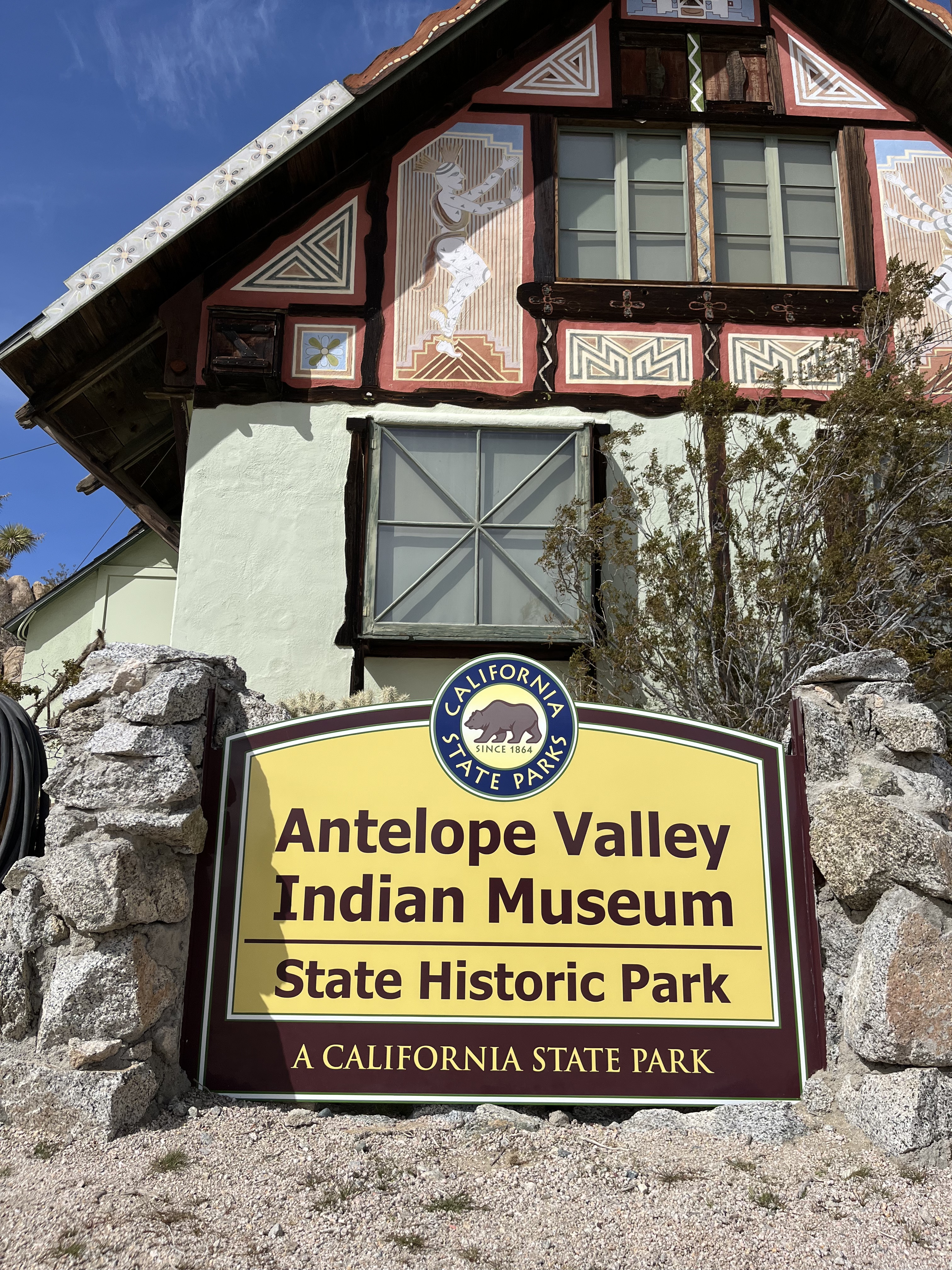
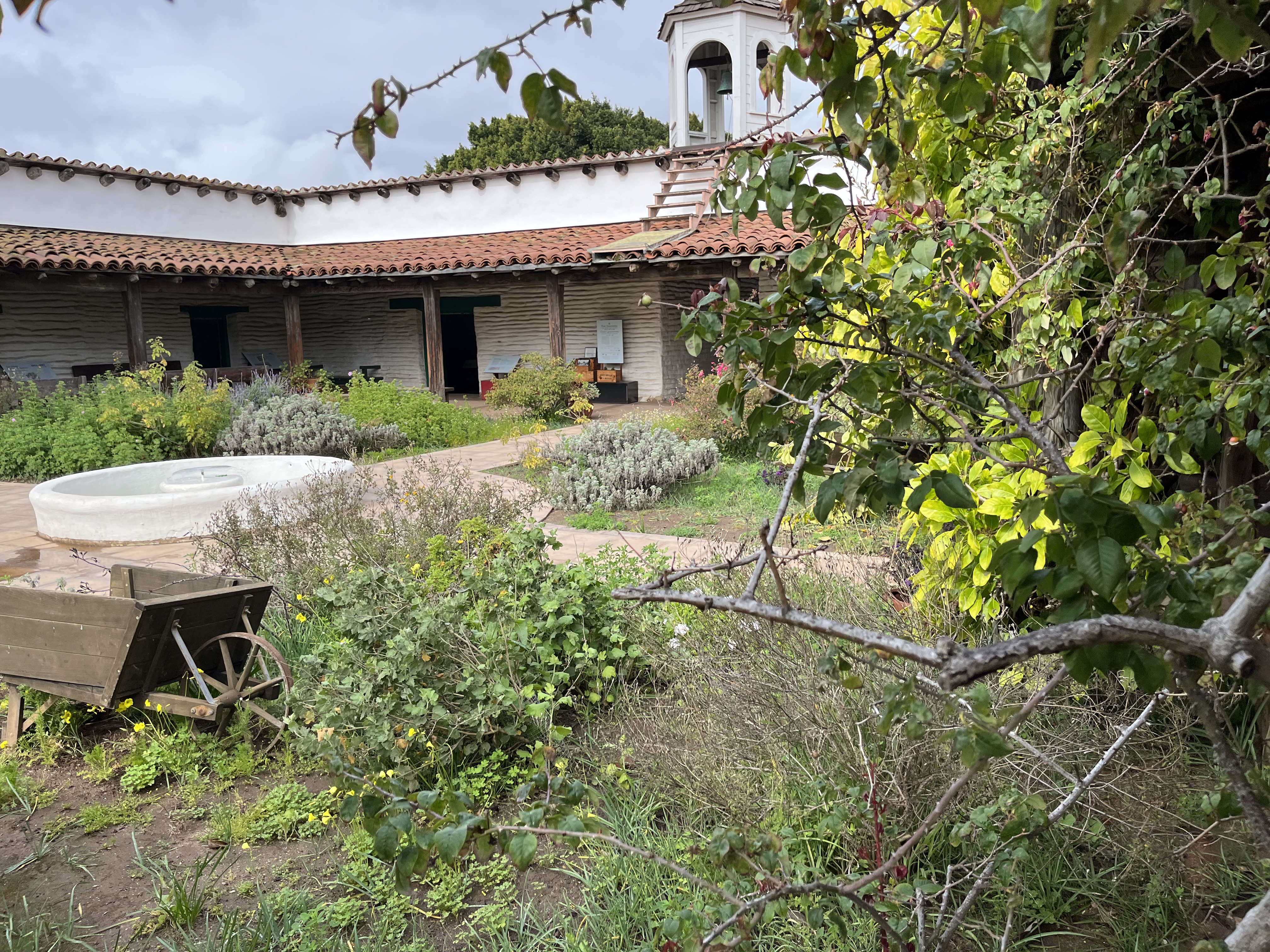
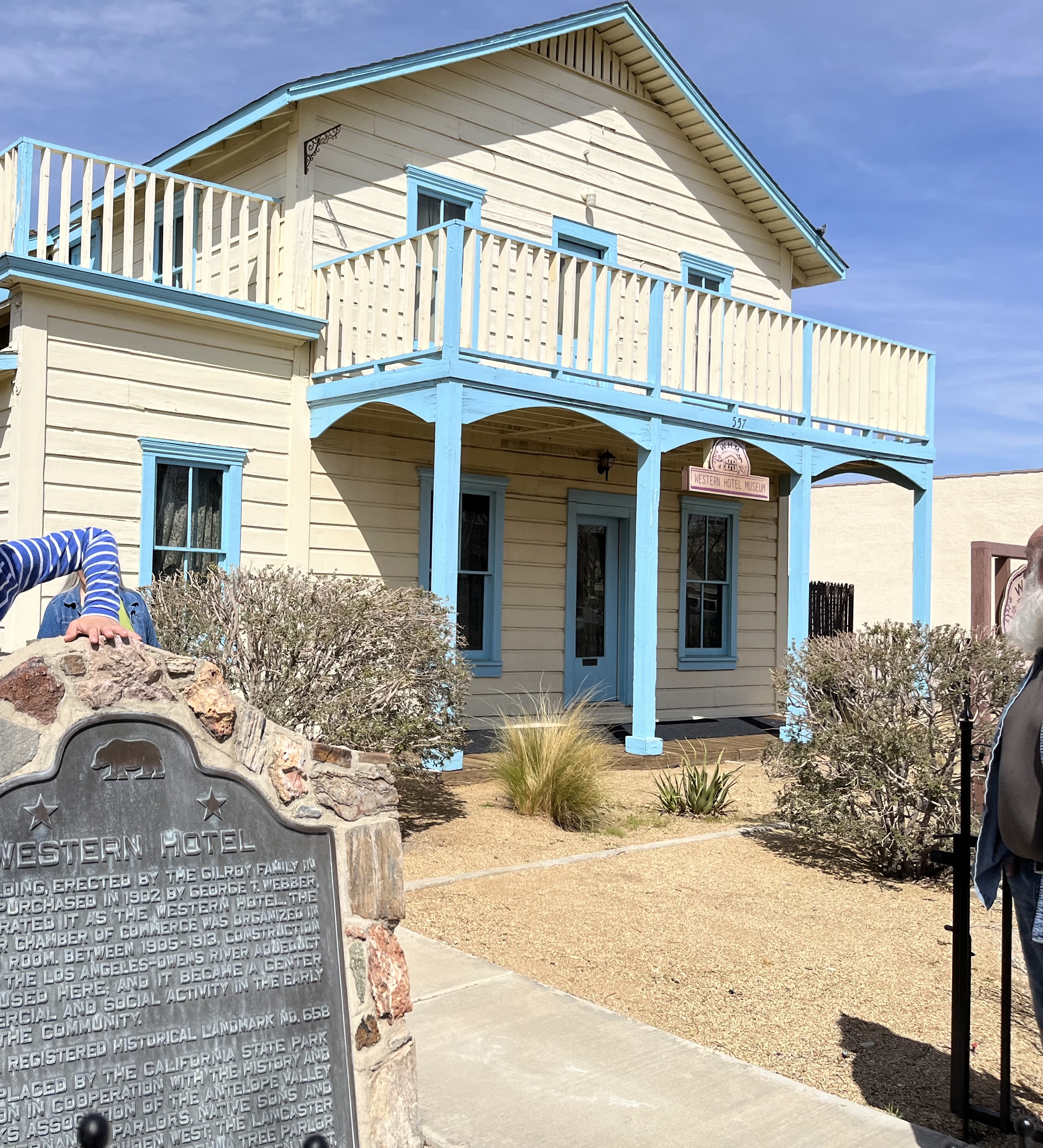
California History: I actually enjoyed this so much. I missed doing California History when I was in school, so I learned right along with M. I enjoyed the living books we read and the timeline we kept. We went on many field trips to historically significant locations – and there were still so many more ideas we didn’t get a chance to visit! I look forward to going through this a second time with Em.
Plutarch
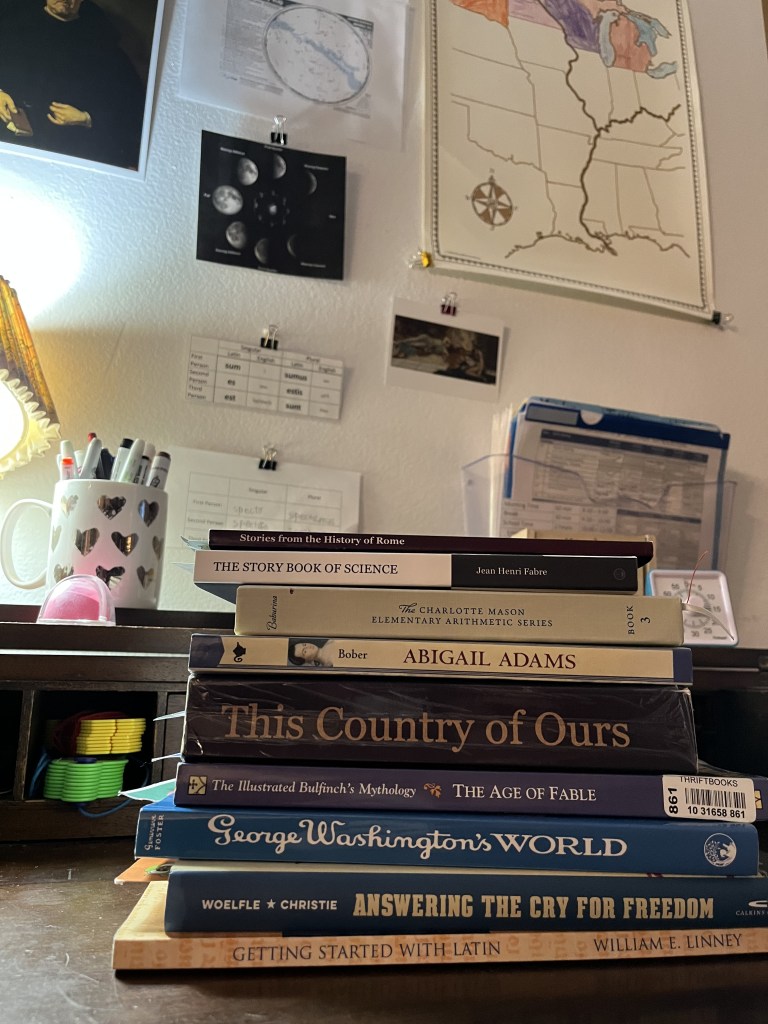
Before the year started I read The Practical Plutarch and The Plutarch Primer (Publicola) by Anne White to prepare myself. I also listened to The Plutarch Podcast episode Why Read Plutarch? Both these readings helped me be less intimidated, but even with all of that I didn’t feel M or I were ready. So instead I decided to use Stories from the History of Rome by Mrs. Beesly. I pre-read the book and wrote down my narrations. I also wrote down the names of the people and places in the chapter so that before I start reading, I can write these down on a white board for M to see. When I don’t write them down, the narrations are less precise. On the whole he’s narrating them well and remembering the stories from the previous week. We also look at maps of ancient Rome and sometimes draw out with stick figures what happened in a battle. My notes on the book are on the Other Guides page.
Plutarch: In Review
I am glad we went through Stories of Rome instead of starting in with Plutarch. The stories were interesting and M was able to narrate well, even some written narration. I feel like it has given us an introduction to Ancient Rome that will help us when we start Plutarch next year. This only took two terms to read, so it was also nice to have a little less to read in the third term. This has given us some flexibility to catch up and do double readings in other things we’ve fallen behind on.
Natural History / Science
We are using the Librivox recording of The Storybook of Science while M follows along in the book. These are generally short chapters. Usually two are scheduled each week so I have it on the schedule for two days. M’s narrations are generally well done, though some of the more complicated topics, such as electricity, take a bit of explanation and discussion before he can understand them.
Term 1 ended and we were nowhere near where we needed to be in Madame How and Lady Why. Even with lots of pictures from resources found on the AO Forum and Facebook files page, getting through these readings was taking a toll on both M and me. It was hard to follow along since we are not familiar with all of the places that are described, and I did not like the preaching. This is where the CM community was so helpful. In reading other posts I found that others had similar feelings and gave this one up. So I have decided to do the same.
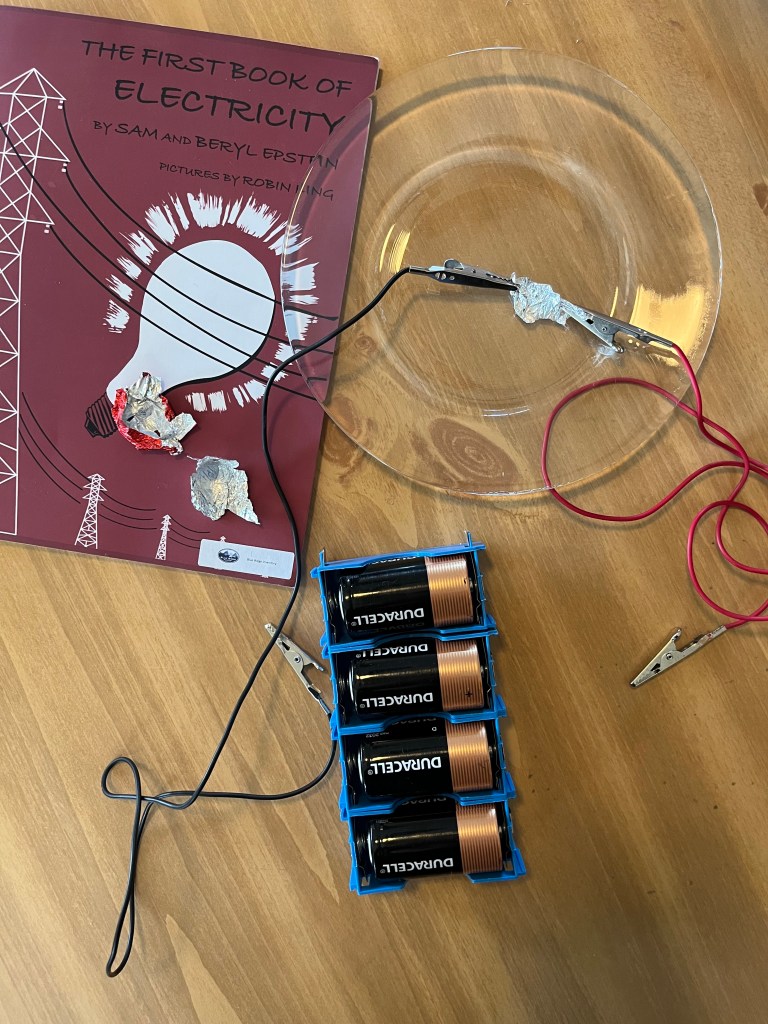
Giving up MHLW was especially helpful since our charter school has specific science requirements that I was having to add in anyway. The California State requirements are covered some by The Storybook of Science, but I’ve added in readings from The First Book of Electricity by Sam Epstein as well as several STEM kits on magnets, light, waves, and engineering. I am doing the electricity readings in Together Time and Daddy gets to do science experiments on the weekend with the boys. Since he’s an engineer, he enjoys getting to participate in their school. The electricity book has experiments in it and is written at a level that both M and Em (and I!) can follow.
Natural History / Science: In Review
As the year went on, M improved in his ability to narrate the Storybook of Science. There was one chapter in which a little boy dies from eating a poison berry that shocked us both (Chapter 57: Belladona Berries) – and made me wish I had been pre-reading this one! It took him weeks to process that one (and Em too, who had been listening in on that one). Some of these topics will go nicely with some of the nature studies in future years, but instead of trying to break the book up and read along with when we do nature studies, I went ahead with finishing the book this year with the hopes that he’ll make some connections later on.
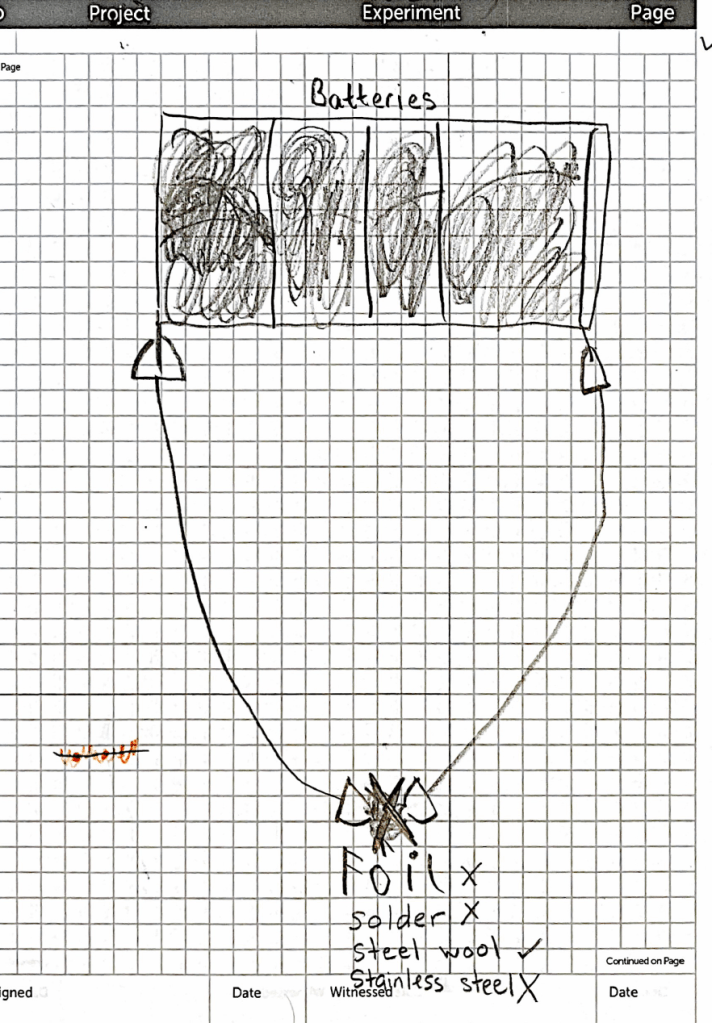
For Science, we’ve contiued to do an assortment of what seems like random experiments. My husband has taken over these and is following along in the list of required science topics from our charter school. We’ve done electricity, energy, and light experiments. The boys both enjoy the time with Daddy and the experiments – they get confused if we call it school ;). They both have science journals where they document the experiments. I often use these documentations as our science submission to the charter school.
Nature Study
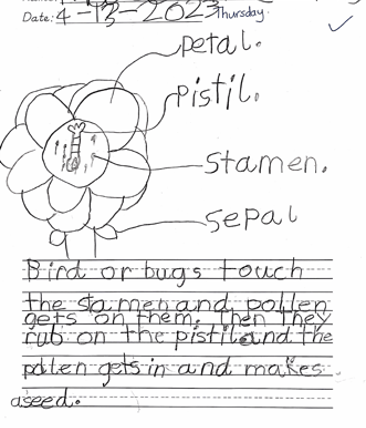
I do nature study in Together Time with both M and Em and wrote about it on the Year 2 planning page. Our nature study schedules are posted on the Nature Study page.
Literature and Poetry
There is an audio version of the The Age of Fable, so I decided to use that so that M could follow along in the book. (And maybe also so I didn’t have to could learn to read all the names!) His narrations are done well and he seems to be enjoying it. We are studying stars right now, and he is remembering some of the stories of the constellations. When we visited an art museum recently, he recalled one of the stories. So he’s been paying attention!
Robinson Crusoe has been slow going. We are also doing this one on audio with M following along. For some reason the fact that our copy does not have chapters makes him anxious. I think he feels like the reading will never end since there is no clear demarkation in the book. I have scheduled in one 20 minutes reading each week and put our countdown timer on so he can see how much left there is to read (since he can’t see the end of the chapter). This will take us all year, but I planned for that. Kidnapped and the Incredible Journey were bedtime stories and the other readings are short stories that we’ll fit in on lighter weeks.
Shakespeare
This is the first year reading actual Shakespeare plays instead of the Lambs or Nesbit retellings. Shakespeare has always been a favorite, especially with the peg people we use for narration. Since I also am reading Shakespeare with Em, I have made my own schedule so that I can combine them as much as possible. In Term 1 we read A Young Reader’s version of Midsummer’s Night Dream over the first three weeks in Together Time. Then M and I read along with the Argo Classics audio version of the play, one scene per week. Since he did this play in Year 1 and we had just read the Young Reader’s version, he followed along well and could narrate.
We are currently in Term 2 and working through the Tempest. Several years ago we read the retelling and I scheduled it again for the first weeks of Term 2. We started reading along with the audio and I can tell that he is not following. His narration last week was “and a bunch of people said stuff I didn’t understand.” So I’ve decided to back off my schedule of getting through it this term and take it more slowly. I will stop the audio and help him understand the language as we go along and see how that goes. I’ll let you know!
Poetry
Poetry is a Together Time reading. I alternate between reading M and Em’s selections every other day. They both enjoy poetry, and both enjoy the other’s readings. We all enjoyed Tennyson. For some of the longer poems I gave a brief summary of the story and then found a reading I liked on You Tube. For these, I had M follow along in the book. He enjoys the ones that tell a story, so the length didn’t bother him. He is fascinated with finding rhyming patterns and likes to point out when the pattern are different or non-existent. Dickinson is harder for him since there are no rhymes or stories. But he listens. I don’t require official narrations from the poetry. I just ask what they think it was about or if they pictured anything in their minds while I was reading.
Recitation
This is a bit of a struggle for M. With his severe anxiety and selective mutism he freezes up or talks with his mouth mostly closed when he is anxious. Performing in front of people makes him nervous. So we have a different standard for him. I find several readings of the poems on You Tube and let him listen to them and practice on his own twice a week. And then once a week he does his recitation for me. For longer poems we work on one stanza at a time. From what I’ve read about recitation, having the child mimic your reading is not recommended. But he actually enjoys imitating people (and is good at it!), so giving him something to imitate helps him to get over his anxiety about reciting it.
I am still choosing poems for M’s recitation. When I have attempted to let him choose, his criteria is whichever is shortest (which for Dickinson is 4 lines). This year so far (by week 18) he has done Tennyson’s Break, Break, Break and The Eagle and Dickinson’s I’m Nobody.
Literature & Poetry: In Review
Age of Fable: Somehow we got ahead of schedule in this book. M enjoys these readings and as I’m reading through Stephen Fry’s Mythos, I’m finding the different tellings fascinating (I definity enjoy Fry’s version more, though it is not fourth grade appropriate). I have skipped the end of each section that talks about the literature references since M is not familiar with them and gets confused by it. The audio version of this book is a poor recording, but I still prefer it over me trying to read through the unfamiliar names.
Robinson Crusoe: We finished listening to this in week 32. I will definitly use the audiobook again with Em. It worked to have it scehdeduled for all three terms for M, but I may rethink the schedule for Em to get it done more quickly. The audio version had it broken into 20 chapters but they were very long chapters. If I scheduled it for multiple days instead of just one 20 min reading in a week we could do it in 2 terms.
Shakespeare: We took Shakespeare more slowly than planned, but still were able to finish all three scheduled plays by reading more than once a week during lighter weeks. I read a synopsis of the scene we were going to read before each reading and would stop the audio occasionally to talk about what was just said. For the plays that I used the Folger’s version, I read their synopsis. When I didn’t have that version, I used something online. M’s narrations improved and he did well following along and engaging with the story. He really enjoyed it when I could find a scene from a performance online (I always watched them first to make sure they were suitable!).
Poetry: By the end of term 3, I was finding You Tube readings of most of the poems. I have realized that unless I know a poem well, I do not read it as well as it should be read. So I spent a couple of minutes each week to bookmark a reading or two of the poems scheduled for the week. M still followed along in the book and sometimes we listened to the poem more than once when they showed interest. It was easy to find readings of most of Wordsworth’s poems and i hope it will be similar for the poets scheduled for next year too.
Recitation: For M, I have a different standard for what makes a good recitation. But I am seeing improvement from even the beginning of this year. I think just practicing three times a week is adding up and I look forward to seeing how he’ll progress in the future. It took him most Term 3 to get through I Wonder Lonely As a Cloud.
Grammar
Ambleside Online recommends beginning to teach basic grammar concepts in year 4. The recommendation is to teach it casually until middle grades. I don’t do casual – I forget it if I don’t have it in the schedule. So I schedule in a 5 minute grammar lesson one day a week and then 5 minutes of independent work the next day. I am using A Delectable Education’s Grammar Lessons Part 1. For M’s independent work I either transcribe some of the exercise into a word document and make a worksheet for him or I use an equivalent worksheet from Education.com.
Grammar: In Review
M has made his way into ADE’s Grammar Lessons Part 2 and is following along well. There is a lot of overlap with what we are learning in Latin, so the concepts are being reinforced. I will continue using the ADE lessons since they are working well for us.
Reading
This is the first year M has been reading well on his own from the beginning of the year. Reading aloud makes him anxious, so I assign 20-30 minutes of free read time from a selections of books I’ve made for him. He chooses one book at a time and is making his way through the stack pretty quickly. He also spends a lot of his free time reading – though he never wants to read his “school book” except during school. So I also have some of the free read books in the bookcase in his room as encouragement to read them. And it sometimes works :). I also have many of the free read suggestions on audio and we listen to them in the car.
Reading: In Review
M has made his way through the stack of free reading books I chose for this year so I added in some extra more “fun” reads for him to finish off the year. I use the AO Free Reading list for ideas, but many of them we listened to in the car, read as bed time stories, or read in previous years. I also like to make sure I include a broad diversity in the books. Here is a list of some of the free reads he did this year:
- The Centerburg Tales by Robert McCloskey
- The Borrowers by Mary Norton
- Ostriches by Herbert Zim
- Justin and the Best Biscuits in the World by Milldred Pitts Walter
- What Are you Figuring Now: A Story about Benjamin Banneker by Jeri Ferris
- Crispus Attuck: Black Leader of Colonial Patriots by Dharathula H. Millender
- Encylopedia Brown by Donald Sobol
- Princess Cora and the Crocodile by Laura Amy Schlitz
- Frindle by Andrew Clements
Writing
Copywork
As with Em, I have used the AO Forum to find lists of copy work for M to use. His penmanship is beautiful so I only have him do copy work once a week. Since he has started written narrations and does writing for Latin, he gets plenty of practice every day. And since he is doing dictation now, we are working on spelling there too. I have a lined notebook for him to use for his copywork, dictation, and written narrations.
Cursive
M started cursive half-way through year 3. I bought a workbook and he has slowly been making his way through all the letters. It is on his schedule for 10 minutes two times a week. When he is done with the workbook and has learned all the letters, I will have him start a cursive copywork book – there are many out there with quotes from famous authors and books to ones with jokes and riddles.
Typing
I know M is going to have to start working on a computer at some point and maybe even want to type his written narrations. So in year 3 I started him on typing lessons. He did them several times a week and became proficient. This year I don’t want him to loose that skill, so I have him practicing for 10 minutes once a week. We are using typing.com. It taught him how to use all the keys and now I have him working on the review lessons. Once he is typing more regularly I will have him stop doing these lessons.
Dictation
This is new to us this year. I read up as much as I can find on it and am still not sure we’re exactly doing it correctly. It takes him many weeks to get a sentence down correctly. So that’s where we are right now. I have it scheduled for 10 minutes two times a week in his independent time and then 10 minutes a week with me.
I have had a hard time coming up with passages to use for his dictation so I recently purchased the Spelling Wisdom Book 1 from Simply Charlotte Mason. I let you know how that goes!
Written Narration
Knowing that written narration was coming this year, I read all I could on the topic, including Know and Tell by Karen Glass. Oral narrations have always been tricky for M. With his anxiety and selective mutism, he gets a sort of performance anxiety. I know from things he brings up later that he often remembers and understands more than he tells me, but the actual oral narrations have always been a struggle for him. We are still working on telling things sequentially and making full sentences. It was not uncommon to hear something like, “The king guy. There was a spider spider then he fought.” Needless to say, I was nervous about starting written narration. So I started slowly. I had him narrate to me to write down and then he copied it. Near the end of Term 1 I told him before the reading that I would have him write one or two sentences on his own. When the time came he wrote an entire page, with full sentences and in sequential order! Apparently his brain works better writing more than telling.
For the first month of written narrations I scheduled it in once a week after our Stories from the History of Rome readings. But he’s doing so well that I have him also doing once a week from The Ocean of Truth.
Writing: In Review
Copywork: In addition to the copywork lists from the AO Forum, I used this time to help meet some of our charter school requirements. I am required to turn in examples of work each month from several subjects that include writing practice. Since “social science” and “science” in AO rarely have something that includes writing, I create a document to capture what we have been learning. For example, I have M choose a picture from a field trip where we learned about history and then have him write about what he saw – basically a written narration of the field trip. Or sometimes I need something to turn in for science, so I have him write a description of what we’ve been doing in nature study. I call this copywork because I have him dictate his narration to me and he copies it. I do it this way because his written narrations are still a work in progress and would not yet meet the standard for turning in work to the charter school.
Cursive: M has been slowly working his way through a cursive workbook that he started last year. He writes it beautifully, but has a really hard time reading it – even what he has written/copied in the workbook. I think I am going to have to figure out a way to have him practice reading it as well as writing it for next year… I’ll let you know what I come up with :).
Typing: In term 3, M started typing one written narration each week. These were very brief and included less than his hand written narrations. We only did it for the last 2 months, so I anticipate these improving along with his handwritten narrations as we do it more frequently next year. I continued having him practice with Typing.com for 10 minutes once a week to keep up the typing practice.
Dictation: We started Spelling Wisdom in Term 3 and M is doing well, getting though about one lesson each week. He studied it on his own twice a week and then I worked with him one day. The beginning lessons are very short and we have not progressed to the longer lessons where I will read only part of it for him to write. With these shorter lessons he doesn’t even need me to read them because he has memorized them.
In addition to using Dictation for his spelling, I have started having him write words he often misspells or frequently asks how to spell on a white board in the school room. These words often come up in his latin and grammar lessons or written narrations. I started doing this because Charlotte Mason’s recommendation is to immediatly erase misspelled words so that they don’t imprint in his brain. Since I can’t always be there to immediatley erase words, having the commonly misspelled words readily available seemed like suitable substitute
Math
After trying several different curriculums with M, we settled on Simply Charlotte Mason. Math is hard for M. He has a hard time thinking in abstract concepts and he gets severely anxious when he doesn’t know how to do something. So basically, every time we start a new concept we have to work through the anxiety of not already knowing it. The Simply Charlotte Mason book works with many manipulative and “word problems” that help make the math less abstract. We finished up Book 2 at the beginning of the year and are halfway through Book 3 near the end of Term 2.
In addition to working through the Simply Charlotte Mason books, I have to make sure I am covering topics required by the State of California since we are using a charter school. For these topics, I have found that Khan academy and the worksheets and videos from Education.com are helpful. Especially since both are organized by school year. Khan academy is free and Education.com allows several free downloads a month. I used some of our charter school funds to purchase an annual subscription so I could use it as much as I need. Some of the topics required by the state are general enough that I can use the same lesson for both boys so I include a math segment in Together Time. We review math facts and then cover a topic such as geometric shapes, telling time, or measuring.
Each day I schedule 15 minutes of math with me and 5 minutes of independent math work. This is usually a worksheet that I’ve printed from Education.com or one I’ve written myself. When I see M needs more practice in a specific topic, I print a generic graph paper document and make my own worksheet with the problems he needs to practice. We use Math Wrap-Ups for several minutes of the independent math time as it’s an easy way to work on math facts that does not involve more worksheets.
Math: In Review
We made it through Book 3 of Simply Charlotte Mason Math. Then I spent the last two months working on fractions and decimals. This was a required topic for the charter school for fourth grade. I didn’t have a curriculum I followed to do this. I just started working with him on what a fraction was, then moved to adding and subtracting fractions. Then worked on mixed and compound fractions. I did a lot of drawing on our little white board to show him the concepts. For decimals I started with using money, showing 10s and 100s and then moved to showing M how the fraction 1/10 is the same as 10 cents is the same as .10. I used some worksheets from education.com to reinforce what I was working on.
Foreign Language
Spanish
We do Spanish in Together Time and I wrote about what we are doing this year on the Year 1 page.
Latin
I was apprehensive about starting Latin since I have never studied it. And as badly as I’m doing at keeping up with Spanish, I wasn’t sure how this was going to work. So I read a lot of recommendations and settled on Getting Started with Latin. I have been pleasantly surprised at how much I am enjoying it and how much M is learning. The book is very clear, with helpful exercises and the answers at the back. There is also a downloadable mp3 file or You Tube playlist for the pronunciation. The two features I find most helpful are the You Tube lessons and practice app In the You Tube lessons, the author teaches each lesson in the book. I think M likes that someone other than me is doing the talking! I stop the video sometimes and make sure he’s following along, but he usually is. The practice app is a quiz with vocabulary, noun forms, verb forms, and grammar.
I schedule in five minutes of Latin four days a week (the 5th day is grammar) for M and me. Then each day has 10 minutes of independent Latin work. Some days the independent work is using the practice app and some days it is doing the exercises from the book.
Foreign Language: In Review:
Spanish: This is me hanging my head in shame. The only way to succeed at learning Spanish is by using it. I am very good at using the TalkBox.mom lessons during morning school. But very bad at remembering to use the phrases at any other time during the day. For the last term I just dropped it from our morning schedule all together – first because I had an injury and was just trying to get through the minimal amount for the day. And after that week I just never added it back in. I am having serious thoughts about not continuing Spanish next year and just waiting until Year 6 or 7 or so and let them pick a foreign language and then buy them a curriculum to use independently. Since I do not speak Spanish (or any other foreign language) – as much as I want to learn it – I think I have to admit that I just do not have the bandwidth to learn it alongside them at this time.
Latin: M continued to make good progress through the Latin lessons. We got into a rhythm of him doing his independent lesson – which would be the exercises from yesterday’s lesson. I typed up the lessons from the book into a word document so he could write out his answers. This was actually good for me because as I was typing, I was translating and doing my own Latin lesson so I can learn alongside him. Each day when it was time for me to work with him, we’d go over his work. Most days he did not finish the entire lesson in 10 minutes, so we would finish it orally. Then we would listen to the next lesson for which he’d do the exercises the next day. I usually did about 3 new lessons each week. On Friday I would review with him in our time together and on Monday he would do a review lesson for independent work. I made a review lesson worksheet just taking exercises from the previous week’s lessons and putting them in one document. Some weeks when I felt he was needing more practice with the new vocabulary, I would have more review days. I even did entire review weeks. We made it through lesson 61 this year.
Art
We do art in Together Time. I have written up what we are doing this year in the Year 2 planning page.
Drawing and Handicrafts
We do art and handicrafts in our afternoon times. I wrote up what we are doing this year on the Year 2 planning page.
Music
Hymns and Folksongs are part of our Together Time and piano lessons are part of afternoon activities. I wrote about what we are doing this year on the Year 2 planning page.
Physical Activity
M has chosen not to enroll in any extra curricular activities. Since being in new situations makes him extremely anxious, I am not pushing him until he finds something he wants to do. So, we have M’s physical activity at home. I have 20 minutes scheduled into his independent time for it. We have several yoga for kids videos he enjoys. There is also a You Tube channel for kids called 5-minute moves he can choose from.
 Ambling Together