In this section:
- 2025-26: Reptiles, River & Ocean, and Garden Flowers & Weeds
- 2024-25: Cultivated Crops, Soil, and Insects
- 2023-24: Trees, Non-Flower Plants, and Weather
- 2022-23: Birds, Night Sky, and Wildflowers
- Earlier Guides: Rocks & Minerals, Fish, Invertebrates
- Nature Walks
- 50-Mile Challenge and Annual Logs
- How I Prepare for Nature Study
Nature Study Guides
While I usually follow the schedule posted on the Ambleside Online website, sometimes I change things up to fit our current interests. Each term I write up a weekly schedule of object lessons and observation ideas usually based on the Handbook of Nature Study by Anna Comstock. For the object lesson, I find books, videos, or activities that will give a foundation for what we will be observing that week. I write the guides to the level my boys are currently at, but include resources I find that may be above or below their level. As we cycle back to the same topics, I will update the guides to cover the topic more in depth and at their current level.
Click on the photo to download the guide in a word document form.
2025-26: Reptiles, River & Ocean, Garden Flowers & Weeds
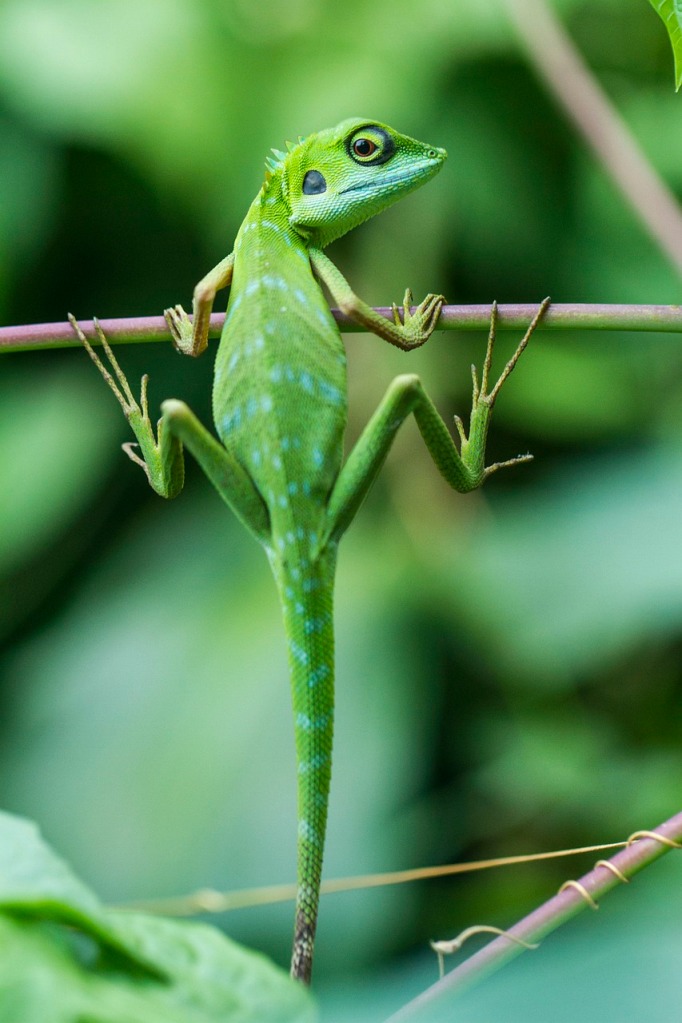
Term 1: Reptiles
Our reptile study will need to be flexible since we have few opportunities to observe reptiles. But if I am not intentional about it, a “reptile nature study” will never happen. So, this is a 12-week object lesson schedule about reptiles so that when we get to see a reptile, we will have some language to describe them and hints on what to look at more closely. I plan to spend about 20 minutes a week learning a little about the types of reptiles, take 3 or 4 field trips to see reptiles in zoos, rescue centers or pet stores, and be as observant as possible on our nature walks.
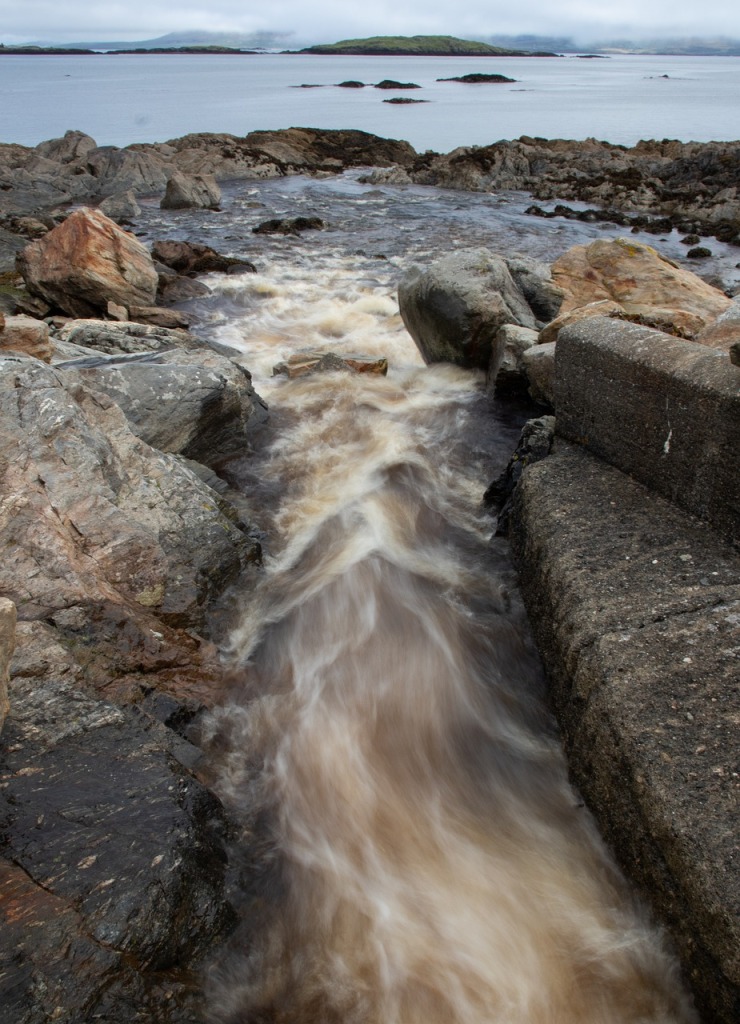
Term 2: Ocean & Brook
This study focuses on the topics from the AO Nature Study Exam page for “Brook, River, Ocean.” I spend a lot of time on the ocean and offer ideas for studying it virtually. I have also included ideas for studying glaciers (even if you can’t see one), and icebergs. For the section on Brooks, I rely mainly on the Handbook of Nature Study.
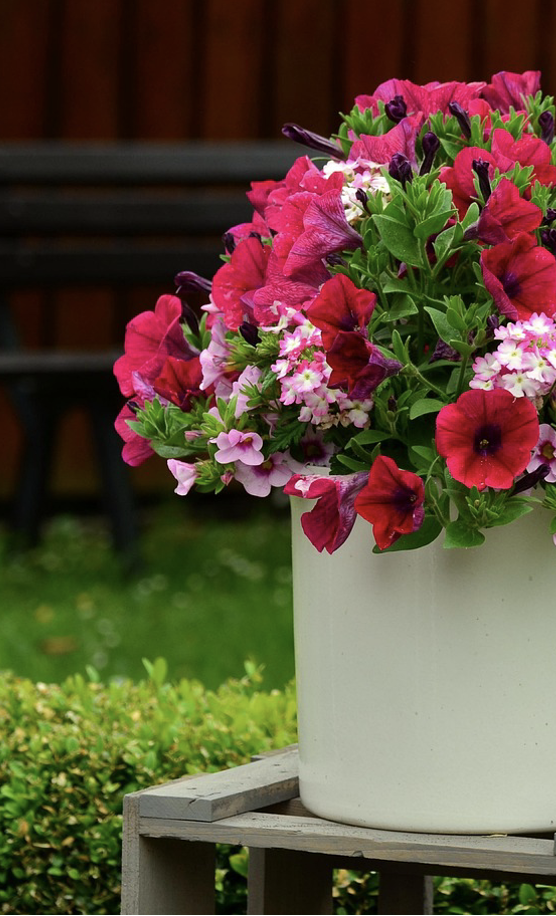
Term 3: Garden Flowers & Weeds
An abbreviated nature study on garden flowers and weeds. I created this in the middle of a cross country move, so have relied mostly on the information in the Handbook of Nature Study.
2024-25: Cultivated Crops, Soil, Insects
The Winter Term topic has been substituted with Soil since Weather was done in 2023-24.
Prepared for AO 3 and AO 6
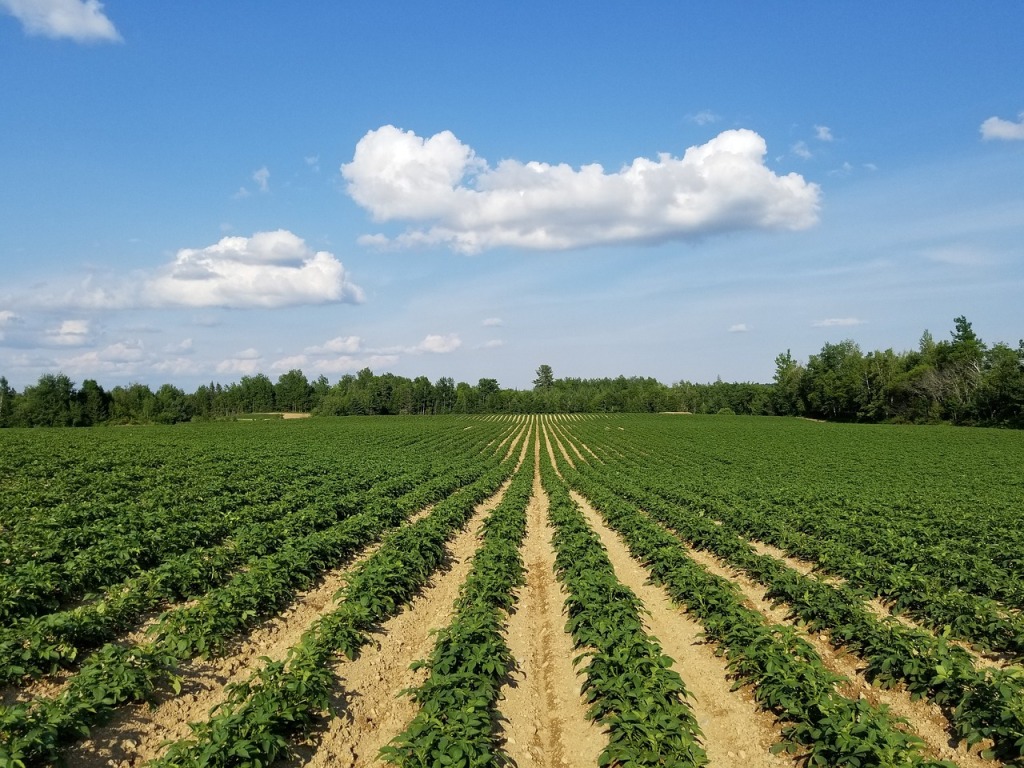
Term 1: Cultivated Crops
Choose from 15 topics with object lessons and observation ideas. Whether you have a garden, can visit a farm, or just the grocery store, here are ideas for observing and learning about different types of crops from strawberries to cotton.
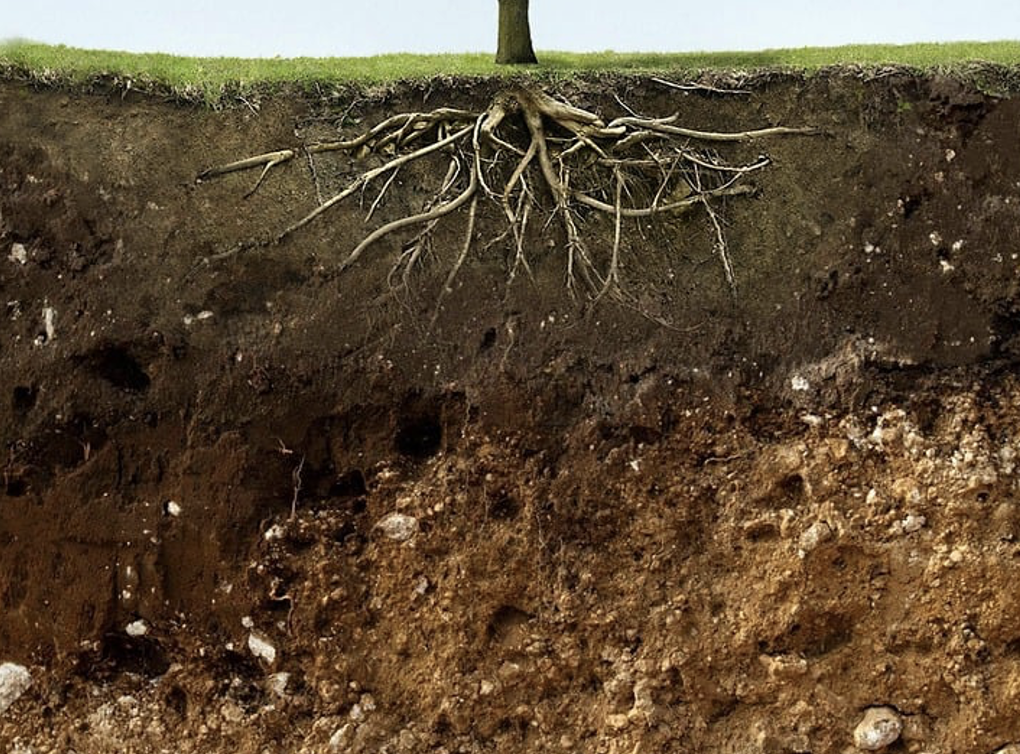
Term 2: Soil
Since I didn’t study soil when we did Rocks & Minerals, I made an entire term’s study of it. Some of the topics are soil formation, types, pH, and the living things in it.
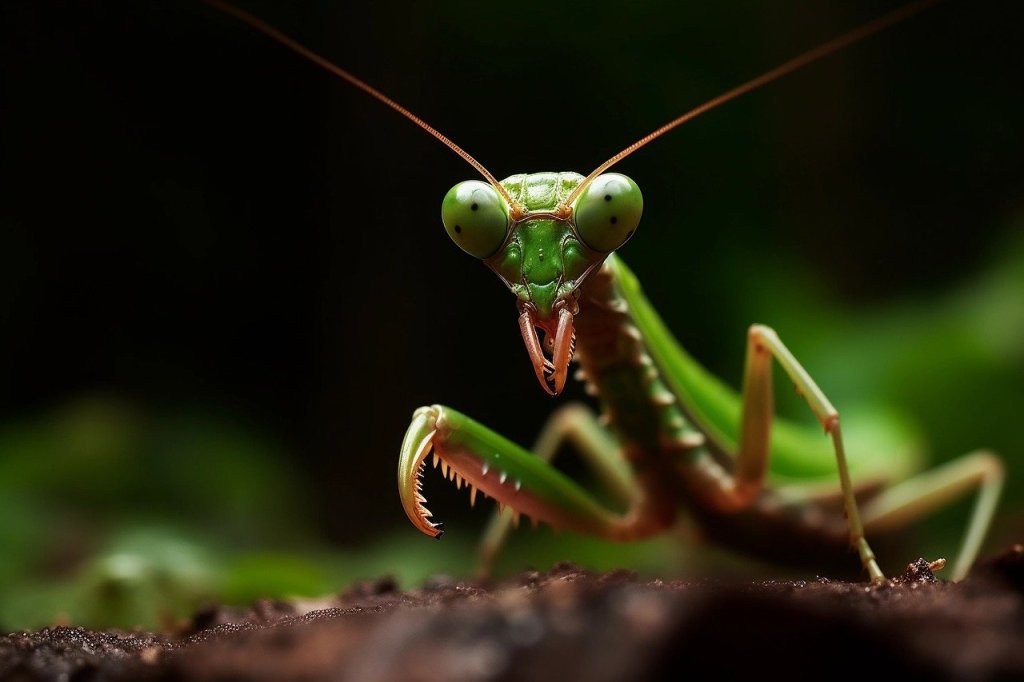
Term 3: Insects
This guide includes object lesson ideas for 20 different insects and a nature lore reading schedule. We do nature study object lessons only on nature we are actually observing. Therefore, I prepared for insects we will most likely observe.
2023-24: Trees, Flowerless Plants, Weather & Climate
Note: I substituted the schedule Night Sky from Term 2 with Flowerless Plants since I did Night Sky last year. I also substituted Amphibians in Term 3 with Weather/Climate since I have no way to observe amphibians here, especially for 12 weeks. I may be able to take a trip or two to a zoo to see them, but not enough for a term of nature study observations.
Prepared for AO 2 and AO 5
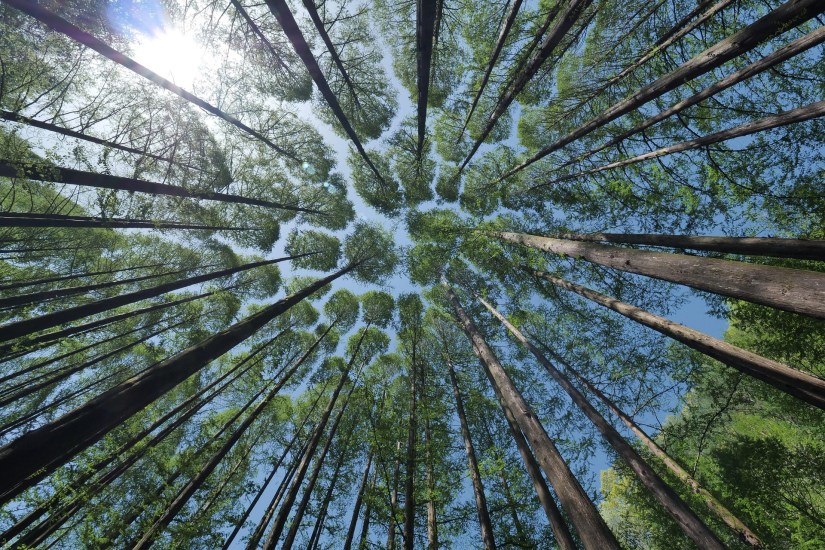
Term 1: Trees
This study spends several weeks introducing trees and how to observe them. Then we spend several weeks on broadleaf trees that we can find in our area. Then several weeks on conifers that we can find in our area.
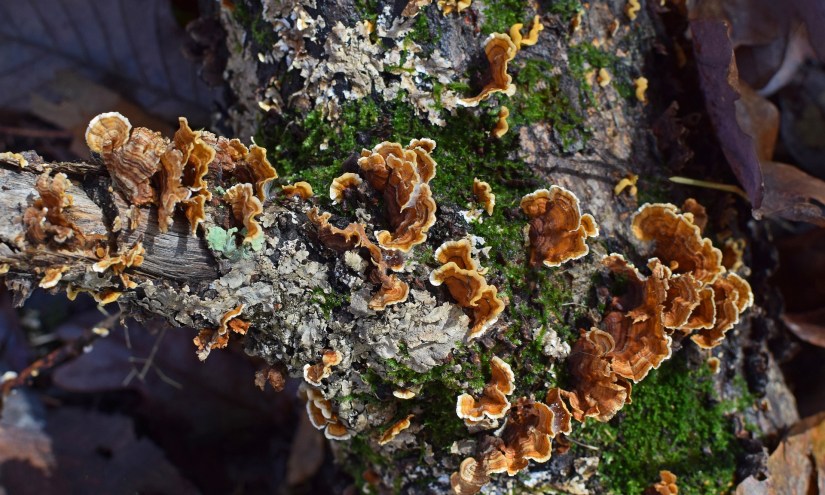
Term 2: Non-Flowering Plants
We will study Algae, Fungi, Lichens, Moss, Ferns, and Gymnosperms.
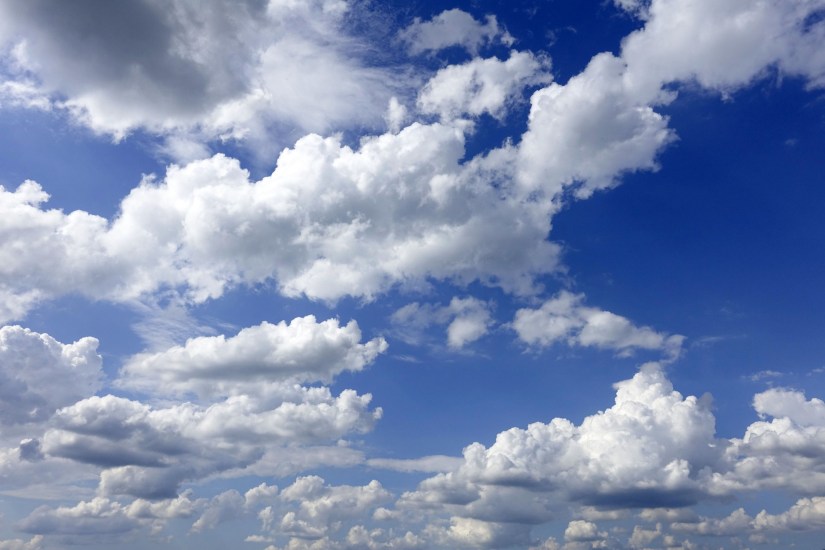
Term 3: Weather
We will study weather patterns & maps, clouds, winds, and storms.
2022-23: Birds, Night Sky, and Wildflowers
Note: I substituted Night Sky for Mammals in Terms 2. Since Nature Study is about observing the actual nature, I don’t want to do a “nature study” that is all books, pictures, and videos. The only mammal I have easy access to is our pet dog. Maybe the next time this comes around in the rotation we can figure out how to go to a zoo frequently during the term and I’ll write a guide for it.
Prepared for AO 1 and AO 4
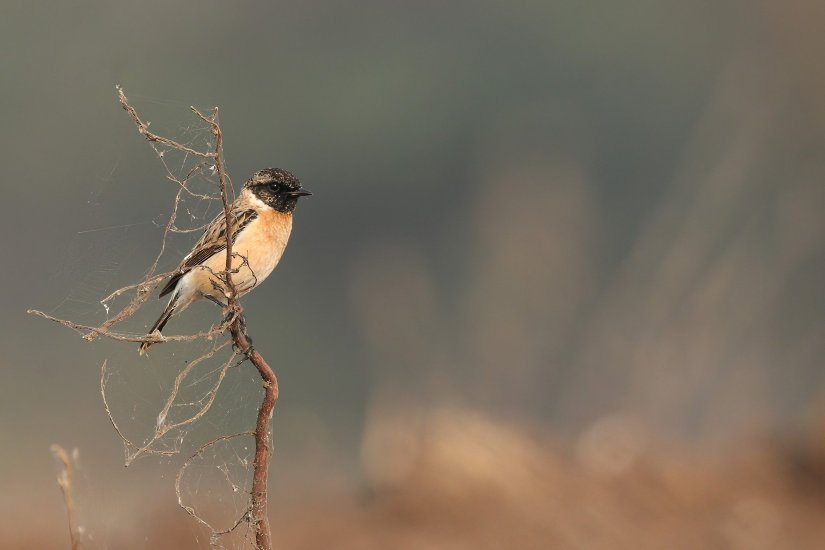
Term 1: Birds
A look at the parts of a bird such as feathers, beaks, and feet and then a week each on a specific type of bird we can observe.
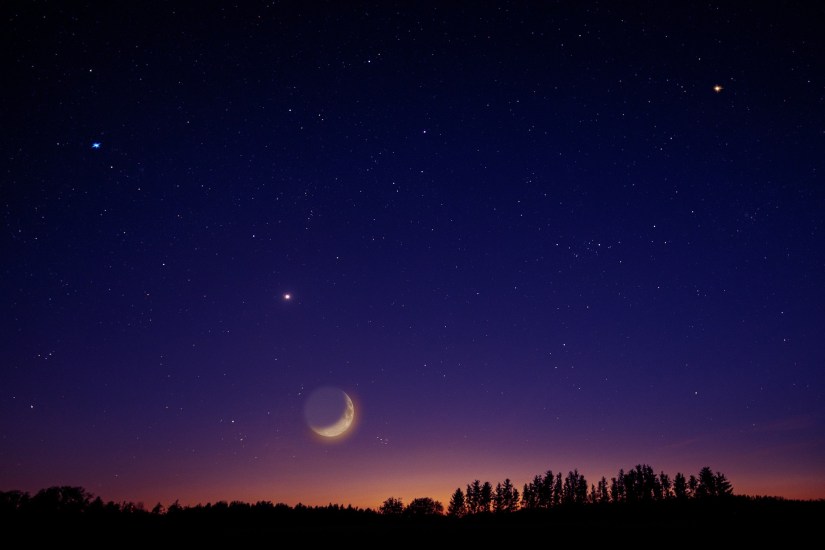
Term 2: Night Sky
We look at the moon, several constellations and specific stars and then the planets.
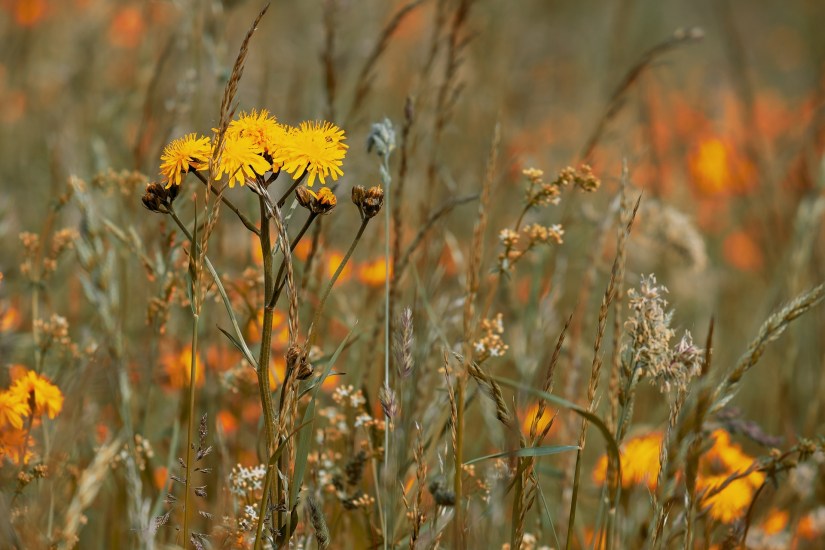
Term 3: Wildflowers
This guide relies heavily on the Botany in a Day book and website as we learn how to identify flower families.
Earlier Guides
Prepared for AO 0 through AO 3
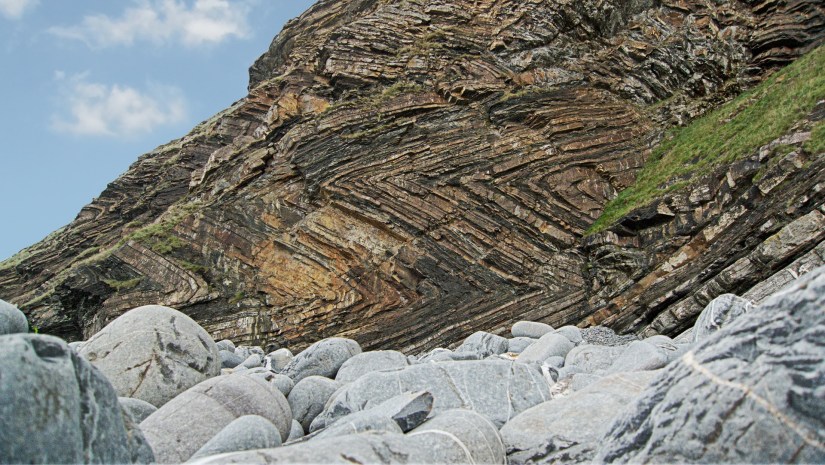
Rocks and Minerals
An overview of the three types of rocks and a look at some minerals as well as several weeks on volcanoes and fossils.
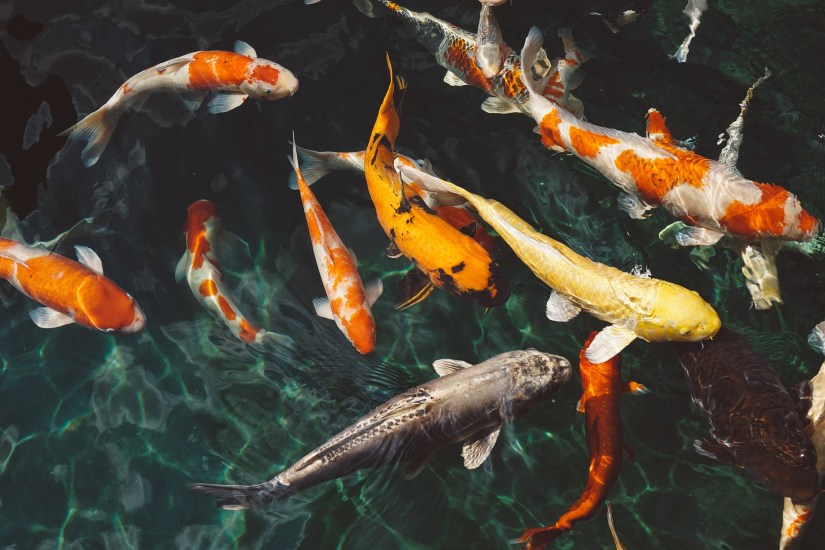
Fish
A look at the parts of a fish such as gills, fins, and mouths and then a week each on a specific type of fish we can observe. We spent a lot of time in the pet stores this term!
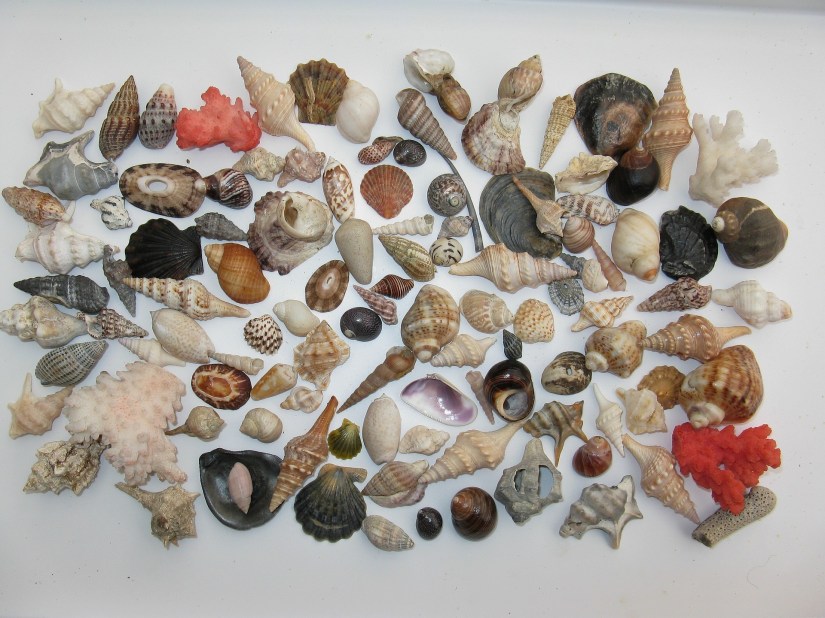
Invertebrates
A look at arthropods, echinoderms, mollusks, coelenterates, worms, and sponges & protozoa with a heavy emphasis on sea creatures.
 Ambling Together
Do you have the earlier guides fish rock invertebrate available for downloads?
LikeLike
Yes – all three of those (first, rock, and invertebrate) are on the nature study page here: https://amblingtogether.com/nature-study-guides/#nature-earlier-guides. Hope you find them helpful!
LikeLike
Click on the photos for the documents
LikeLike
This is a HUGE blessing! thank you so much!
LikeLike
I love your site! Thank you so much for all the time you’ve put into creating these resources then sharing them with others. Question about the nature lore books listed in the nature study guides: do you read those in addition to the natural history/science books your boys are reading in their respective AO years?
LikeLike
Thanks! I figure since I am spending the time creating them for myself, I might as well share in case it’s helpful to anyone else :). Regarding the nature lore books, I usually have one scheduled during our together time in the morning – for about 10 min once per week. But not necessarily all year long.
LikeLike
Thank you so much. I feel like this is what I have been missing. After 20 years CM, I still struggle with nature study. We go out into the bush often and I sometimes do an object lesson, even done special studies, but I think your suggestion is actually what I need to be cover variety rather than the same few things or nothing.
LikeLike
So glad to hear it helps. I know if I don’t write down a plan, nature study will rarely happen! If we do an object lesson and learn what to look for, our nature walks etc turn into nature study!
LikeLike
Hi, this is so helpful! When looking at the Invertebrates schedule, I see “Jr. Science” listed as a book to read. Is this the same as Junior Scientist series? Thank you
LikeLike
I used “Jr. Science” as a shortened version I mentioned in the document above, the Junior Science Book of Seashells by Sam Epstein.
LikeLike